Pizza Stone vs Pizza Steel: Which Should You Use at Home?
If you're buying one pizza cooking surface for your home oven, get a pizza steel. It won't crack, it heats 20x faster, it lasts 10+ years, and it creates a significantly crispier crust. Pizza stones are fragile and are generally only worth it if you are on a strict budget (<$30) or using a high-heat dedicated pizza oven (800°F+).
Should you get a pizza stone or a pizza steel? We've spent years working with both, and we've seen firsthand what happens when someone makes the wrong choice. We’ll help you figure out which one is best for your lifestyle.
Quick Answer: Pizza Stone vs Steel
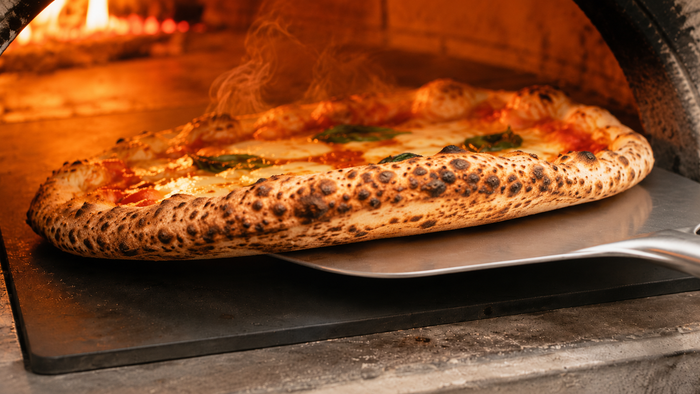
- Best for Crispy Crust: Pizza Steel. Heats way faster than stone, giving you that charred "leoparding" and crispy bottom stones can't match.
- Best for Pizza Parties (Volume): Pizza Steel. Recovers heat almost instantly (2-3 mins), so you can bake back-to-back pizzas without waiting. Stones cool down and slow you down.
- Best for Versatility: Pizza Steel. Unlike stone, you can use it as a griddle for smashburgers, roasting vegetables, or baking bread without fear of cracking.
- Best for Beginners: Pizza Steel. It's indestructible. Zero stress.
- Best for Tight Budgets: Pizza Stone. Only got $40? A thick cordierite stone is a solid start.
- Best for Home Ovens (500-550°F): Pizza Steel. Since home ovens don't get super hot, you need steel's superior conductivity to get that crispy, charred crust.
- Best for High-Heat Ovens (800°F+): Pizza Stone. At extreme temps, steel burns the bottom. Stick with stone.
Table of Contents
- Pizza Stone vs Pizza Steel: Which Is More Durable?
- Pizza Stone vs Pizza Steel: Which Makes Better Crust?
- Pizza Stone vs Pizza Steel: Which Is Best for My Oven?
- Pizza Stone vs Pizza Steel: Which Is Easier to Maintain?
- Pizza Stone vs Pizza Steel: Which Gives Better Value?
- What Should Beginners Choose: Pizza Stone or Steel?
- What Should Serious Pizza Makers Choose?
What's Better, Pizza Stone or Pizza Steel? Side-By-Side Comparison
|
Criteria |
Pizza Stone |
Pizza Steel |
Winner |
|---|---|---|---|
|
Durability |
Fragile (Likely to crack eventually) |
Indestructible (Lasts a lifetime) |
Steel |
|
Crust Crispiness |
Good |
Excellent (approx. 15% crispier) |
Steel |
|
Bake Time |
8–12 minutes |
5–7 minutes |
Steel |
|
Heat Transfer |
Slow and steady |
20x faster (Rapid energy transfer) |
Steel |
|
Recovery Time |
Slow (Wait 5+ min between pizzas) |
Fast (Ready again in 2–3 min) |
Steel |
|
Maintenance |
Difficult (Cannot use water/soap) |
Simple (Wash & season like cast iron) |
Steel |
|
Versatility |
Pizza & Bread only |
Pizza, Smashburgers, Cold Plate (Ice Cream) |
Steel |
|
Price |
$20 – $60 |
$70 – $150 |
Stone |
|
Best Use Case |
High-Heat Ovens (800°F+) |
Home Ovens (Max 550°F) |
— |
Pizza Stone vs Pizza Steel: Which Is More Durable?
Okay, let's start with the biggest source of frustration we hear about: pizza stones crack. A lot. Like, way more than you'd expect.

Why Do Pizza Stones Crack So Easily?
The problem almost always comes down to one main culprit: thermal shock. But there are several ways this can happen.
Thermal Shock (The Main Culprit)
You put your cold pizza stone in the oven, turn it on, and 45 minutes later you're pulling out what feels like a rock-hard ceramic disc. The stone has gone from room temperature to 500°F in less than an hour.
All that heat causes the ceramic material to expand incredibly fast, and if it expands unevenly—which it does because of how thick ceramics are—internal stress builds up. That stress needs somewhere to go, and eventually, it cracks.
This is the #1 reason pizza stones fail. It's not a defect. It's physics. The ceramic just can't handle rapid temperature changes.
Manufacturing Defects
Here's something that catches people off guard: some stones come defective from the factory. You can't see these flaws—they're microscopic weaknesses built into the ceramic. They're invisible at purchase, hidden stress lines or cracks that fail when the stone experiences its first or second use.
We had a customer who broke three different stones in just two months—trying cheap options, premium brands, everything. They thought they were doing something wrong. Turns out? Bad luck with defective batches.
And here's the thing: even expensive Emile Henry stones (premium brand) fail this way sometimes. Premium price doesn't guarantee reliability with ceramics.
Water Damage & Moisture Issues
This one surprises most people: water gets absorbed into the porous ceramic. Then you heat the stone, and trapped water turns to steam. That trapped steam creates internal pressure that causes the stone to crack or split.
This is the biggest headache with stones, you basically can't clean them. You should never soak a stone or wash it thoroughly like a normal pan. Once water gets in, it's incredibly hard to get out before it causes damage.
Improper Handling & Physical Damage
Even careful handling can cause problems. Moving hot stones around, stacking heavy items on top, dropping or bumping the stone, touching a super-hot edge with a cool hand—all of these create stress. The lesson here is simple: stones are just fragile. They need constant, careful attention.
Stone Thickness Matters
Not all stones are equal. Thin stones (0.4-0.5 inches) crack frequently. Medium thickness (around 0.5 inches) is still risky. Thicker stones (0.75+ inches) have better odds, but they're still not guaranteed. The pattern is clear: thicker is safer, but neither thickness level is a guarantee.
Can a Pizza Steel Rust or Warp Over Time?
A pizza steel is basically one solid piece of carbon steel—no joints, no fragility. You can drop it. You can broil on it. You can throw it around. It won't crack. It won't shatter. It won't split in half.
Will It Rust?
Here's the honest answer: Yes, it can—but it's not the problem people think it is.
Rust happens when you have inadequate seasoning, a worn-away protective oil layer, steel that stays damp too long, or gas ovens that produce water vapor.
But is it a big deal? Even if you do see a spot of rust, it’s a ten-minute fix. You just wipe it down, add a little oil, and it’s good as new—exactly like seasoning a cast iron skillet.
What About Warping?
Steel doesn't warp. At all. Unlike cheap baking sheets that bow and bend, steel stays flat. It handles extreme heat, doesn't degrade over time, and actually gets better with age as the seasoning improves.
So, which is more durable?
|
Criteria |
Pizza Stone |
Pizza Steel |
|---|---|---|
|
Will it crack? |
Yes, very likely |
No |
|
Lifespan |
1-5 years |
10+ years |
A PIZZA STEEL IS MORE DURABLE THAN A PIZZA STONE: Stone cracking is the #1 reason people abandon home pizza-making. You don't want to live in fear of your cooking surface breaking. Steel eliminates this problem completely.
Pizza Stone vs Pizza Steel: Which Makes Better Crust?
All right, now let's talk about what actually matters: the pizza. What comes out of the oven? What does it taste like? What does it look like?
Does Steel Really Cook Pizza Faster?
Let's get into this because it's important: Steel transfers heat approximately 20x faster than stone.
When you want to bake pizza, you need heat hitting the bottom of that dough fast. Fast heat transfer means the bottom crisps up before the center has time to stay doughy.
It means you get that beautiful, instant sizzle when the pizza hits the cooking surface. It means rapid oven spring—that's when the dough puffs up from the heat and creates that thick, impressive crust. And it means that gorgeous bottom char that makes pizza actually taste like pizza.
So, what’s the difference between using steel and stone? Pizza on steel bakes in 5-7 minutes. Pizza on stone takes 8-12 minutes. You get crispier crust, better rise, and darker browning—all from steel's superior heat transfer.
|
Metric |
Pizza Stone |
Pizza Steel |
|---|---|---|
|
Bake time |
8-12 minutes |
5-7 minutes |
|
Heat transfer speed |
Slow |
20x faster |
|
Bottom char |
Light brown |
Dark leoparding |
|
Oven spring |
Moderate |
Excellent |

Which Gives a Crispier Bottom and Better Oven Spring?
The crispiness question is where you really see the difference. Steel delivers noticeably crispier pizza—about 15% crispier overall. You get visible dark brown with char marks, called "leoparding."
The crust sounds crispy when you bite into it, and you get the kind of deep, toasted flavor you'd expect from a wood-fired oven—not a home kitchen.
Oven spring (the rise) is equally dramatic. Stone gives you a slower, more gradual rise. Steel gives you dramatic rise in the first minute—that's when the dough puffs up from the intense heat. The result? Steel gives you thicker, airier, more impressive crust.
So, which one makes the better pizza?
|
Factor |
Pizza Stone |
Pizza Steel |
|---|---|---|
|
Bake time |
8-12 minutes |
5-7 minutes |
|
Crust crispiness |
Good |
15% crispier |
|
Oven spring |
Moderate |
Excellent |
Stones make good pizza. Steel makes BETTER pizza. If you care about crust quality and speed, steel is the obvious choice.
Pizza Stone vs Pizza Steel: Which Is Best for My Oven or Grill?
Here's where context actually matters, because not every kitchen is the same.
What Works Best in a Standard Home Oven?
If you're working with a regular home oven—and most of us are—steel is the clear winner. Your home oven probably maxes out at 500-550°F (maybe 600°F if you're lucky). It doesn't have dedicated heating elements like a pizza oven. Steel's superior heat transfer compensates for these limitations. You get faster, crispier results in the temperature range you actually have.
Stone requires more patience, more technique, and more luck. You have to wait longer for the pizza to bake. You have to deal with inconsistent results. And you're always one thermal shock away from replacing your stone.
Multiple Pizzas in a Row?
Steel absolutely dominates here. After your first pizza, stone has lost heat and needs 3-5 minutes to recover. Steel needs only 2-3 minutes. By your third pizza, the difference is obvious. Stone makes each pizza progressively slower. Steel stays consistent.
If you're throwing a party and making pizzas for guests, steel is the obvious choice.
Should I Use Stone or Steel in a Pizza Oven or on a Grill?
Here's where things get nuanced. In dedicated pizza ovens that hit 800°F+, thick stone actually becomes more practical.
At extreme temperatures, steel transfers heat too fast and can burn pizza bottoms before the top cooks. Thick stone distributes heat more gradually, which is actually what you want at those temperatures.
This is a different use case from home ovens. For gas or charcoal grills? Steel wins. Same logic as home ovens applies.
So, which is better for the kind of oven you have?
|
Situation |
Stone |
Steel |
Winner |
|---|---|---|---|
|
Standard home oven |
Works (with care) |
Optimized |
Steel |
|
Multiple pizzas in a row |
Slower recovery |
Faster recovery |
Steel |
|
Dedicated pizza oven (800°F+) |
Designed for it |
Can burn bottoms |
Stone |
|
Gas grill |
Possible |
Better |
Steel |
Pizza Stone vs Pizza Steel: Which Is Easier to Use and Maintain?
Let's talk about the day-to-day reality of owning one of these things.
How To Maintain A Pizza Stone
Never, ever use water on a pizza stone. Seriously. Don't even think about it. Water gets absorbed into the porous ceramic, and when you heat the stone again, that trapped water turns to steam and creates pressure inside the material. Eventually, it cracks.
Instead, after your pizza's done, let the stone cool down completely—seriously, wait until it's cool. Then use a bench scraper or wire brush to scrape off any stuck-on food. That's it. No washing, no soaking.
Your care routine:
- Let stone cool completely
- Use bench scraper or wire brush
- Scrape off visible debris
-
Store in dry place
Pro Tip: Those black or discolored spots that develop? That's your stone getting "seasoned." They improve performance, so don't stress about keeping it pristine. The more used it looks, the better it probably works.
Critical Warning: Never take a hot pizza stone out of the oven and cool it under running water. The thermal shock will cause it to split in half instantly.

How To Maintain A Pizza Steel
Your 3-minute routine is simple: Wash with hot water and brush (YES, water is fine!), dry completely with a cloth, then wipe a thin oil layer on the warm steel.
The oil wipe is the most important part. Like cast iron pans, pizza steels need light seasoning after each wash. Wipe a thin layer of oil (canola, vegetable, grapeseed, or avocado oil works) on the warm steel. Takes 30 seconds. Prevents rust and maintains the non-stick surface.
Here's the difference on maintaining a pizza steel vs pizza stone:
With stone, you're limited to scraping and brushing, which takes longer and requires caution. With steel, you can actually clean it like a regular pan. You can use water. You can use a brush. You can use soap briefly (just don't leave it soapy). Then dry and oil.
Is the Extra Weight of a Steel a Real Problem?
Steel is heavy—typically 15-30 pounds depending on thickness. The common concern is "That's a lot to move around!"
But here's what pro cooks do: you don't move it.
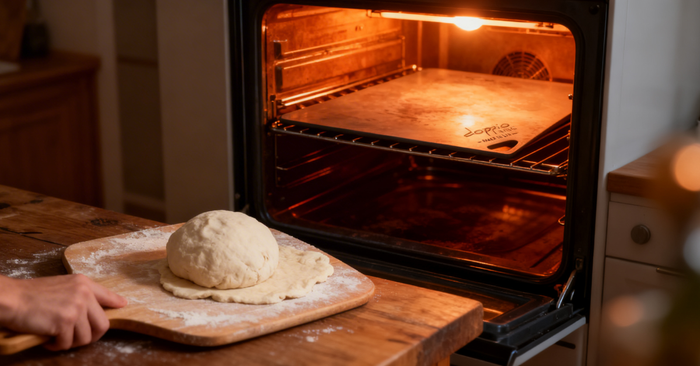
Leave the steel in the oven permanently. It sits on the middle rack. Oven preheat happens WITH the steel inside. Pizza goes in and out. Steel never leaves.
So, which is easier to maintain?
Steel is easier to maintain than a pizza stone.
|
Factor |
Pizza Stone |
Pizza Steel |
|---|---|---|
|
Can use water? |
NO (causes cracks) |
YES |
|
Cleaning ease |
Scraping only (tedious) |
Quick wash + oil |
|
Maintenance |
Complex (prevention-focused) |
Simple (routine) |
|
Time per use |
20+ minutes |
3 minutes |
Pizza Stone vs Pizza Steel: Which Gives Better Value for Money?
Okay, let's talk money, because that's often where the decision actually gets made.
Is a Pizza Steel Worth the Higher Upfront Cost?
The sticker shock is real. Decent pizza steel: $70-300. Pizza stone: $15-150. So why spend the extra money? Look at the numbers over time.
Stones keep needing replacement:
- Year 1: Buy stone ($30-50), enjoy pizza
- Year 2: Stone cracks, buy new one ($30-50)
- Year 3: Cracked again, replace ($30-50)
- Year 5: Still replacing... total spent: $150-250
Steel is a one-time investment:
- Year 1: Buy steel ($79 from DoppioLiving), enjoy great pizza
- Years 2-5: Use same steel, just oil it ($2/year maintenance)
- Year 5 total: $78 spent
By year 3-4, steel has paid for itself. People using steel for 10+ years? They've spent $100-120 total. Stone users after 5 years? $150-250 spent on replacements.
Why Steel Basically Lives in Your Oven
Here's what clinches it: Steel works for way more than just pizza. You can roast vegetables on it. You can bake bread. You can make cookies. You can cook burgers. You can do sheet pan dinners. You can even broil on it.

You just put it in your oven and forget about it, you don't have to care about it at all, it's indestructible and it makes so many other dishes better.
Stone? Pretty much pizza only.
When Does a Cheaper Pizza Stone Make Sense?
Stones ARE reasonable if you're just testing if home pizza-making is for you. If your budget is genuinely limited to $15-25. If you're not sure you'll stick with pizza-making. If a low-risk experiment is your priority.
But beyond testing, steel wins on value. For anything beyond testing, steel wins decisively on value.
So, which is worth your money?
For serious pizza-making, steel's long-term value wins decisively.
|
Metric |
Pizza Stone |
Pizza Steel |
|---|---|---|
|
Initial cost |
$15-150 |
$70-300 |
|
Lifespan |
1-5 years |
10+ years |
|
Cost per year |
$3-150/year |
$7-30/year |
|
Replacement frequency |
Frequent |
Never |
|
Other uses |
Pizza only |
Pizza + much more |
Pizza Stone vs Pizza Steel: What Should Beginners and Casual Pizza Makers Choose?
Our recommendation: Start with steel.
Yes, the upfront cost is higher, but when you are learning to make pizza, you are going to mess up. New pizza makers always do. You'll forget to preheat long enough. You'll experiment with different toppings. You'll mess up the pizza launch. You'll try new techniques.
With a stone, one mistake could mean cracking it. Then you're frustrated, feel like you did something wrong, and you're back to square one replacing it.
With steel, you can make all these mistakes. The steel just sits there, unbothered, doing its job. You're learning pizza-making, not learning how to handle fragile material.
Pro tip for beginners using steel: Use parchment paper. Build your pizza on parchment on the steel, then slide together into oven. Parchment burns away during cooking. It eliminates sticking worries. It takes all the guesswork out of pizza launch. It's the most beginner-friendly option.
Pizza Stone vs Pizza Steel: What Should Serious Pizza Nerds?
If you've already made 50+ pizzas and you know your oven, get a thicker steel (1/2 inch). Why? More thermal mass means better heat recovery between pizzas. Better heat recovery means you can make back-to-back pizzas with consistent results.
Why Do Most People Use Pizza Steels over Stone?
Here's what we know from years in this industry:
Steel is simply better for most home pizza makers.
It's more durable. It performs better. It's more forgiving. It lasts longer. It's more versatile. It teaches better habits because you're not constantly worried about breaking it.
Stones can work, absolutely. But you're constantly managing fragility, your results are less consistent, and the learning curve is steeper.
If you're serious about making great pizza at home, if you want results you can actually count on, if you want something that won't drive you crazy with anxiety every time you use it—invest in a good pizza steel.
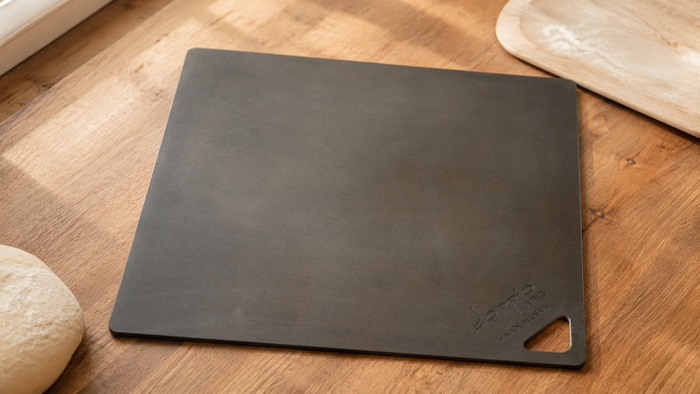
Stop worrying about cracked stones and soggy bottoms. Our Chef-Grade Pizza Steel is pre-seasoned, made in the USA, and virtually indestructible. It’s the last pizza surface you’ll ever need to buy.